Winterizing Your Garage: Weatherstripping and Insulation Tips for Covington Homes
Winter weather in Covington, WA, often brings chilly temperatures, heavy rainfall, and damp conditions. While homeowners typically focus on preparing their heating systems and protecting outdoor plumbing, the garage can easily get overlooked. Unfortunately, a poorly sealed or insulated garage door can allow cold drafts, moisture, and debris to enter your garage. Taking a few simple steps to winterize your garage can help protect your belongings, improve comfort, and keep your garage door functioning properly throughout the colder months.
Inspect and Replace Worn Weatherstripping
Weatherstripping creates a barrier between your garage door and the elements. Over time, these seals can become brittle, cracked, or damaged, allowing cold air and rainwater to enter.
Start by inspecting the rubber seal along the bottom of your garage door. Look for visible cracks, gaps, or areas where the material no longer makes contact with the ground. Next, examine the weatherstripping along the sides and top of the door.
Replacing damaged seals can help prevent drafts, reduce moisture intrusion, and keep leaves and other debris outside. Properly installed weatherstripping also protects the garage door's components from unnecessary moisture exposure.
Consider Insulating Your Garage Door
If your garage door isn't insulated, it may allow significant heat transfer between your garage and the outdoors. This can be especially noticeable if your garage is attached to your home or shares walls with living spaces. Garage door insulation can help moderate temperature fluctuations and make the garage more comfortable during winter. Common insulation options include rigid foam panels and reflective insulation kits designed for compatible garage doors.
However, adding insulation increases the door's weight. Before installing an insulation kit, check the manufacturer's recommendations and make sure your garage door system can accommodate the additional weight. A professional can help determine whether upgrading to an insulated
garage door would be a better long-term solution.
Protect Your Garage Against Moisture
Covington's rainy winter weather makes moisture control particularly important. Even small gaps around your garage door can let water in, potentially damaging stored belongings and contributing to mold or mildew growth.
Keep the area around your garage door clear of leaves and debris, and make sure nearby drainage channels direct water away from the opening. Check for water pooling near the threshold after heavy rainfall. If water continues to enter despite intact weatherstripping, the problem may be an uneven threshold, improper door alignment, or another issue that requires professional attention.
Check Your Garage Door's Operation
Winterizing isn't just about keeping cold air and moisture outside. It's also an opportunity to identify mechanical problems before they become more serious.
Open and close your garage door while listening for unusual grinding, squeaking, or rattling sounds. Watch for jerky movements, uneven operation, or difficulty closing completely.
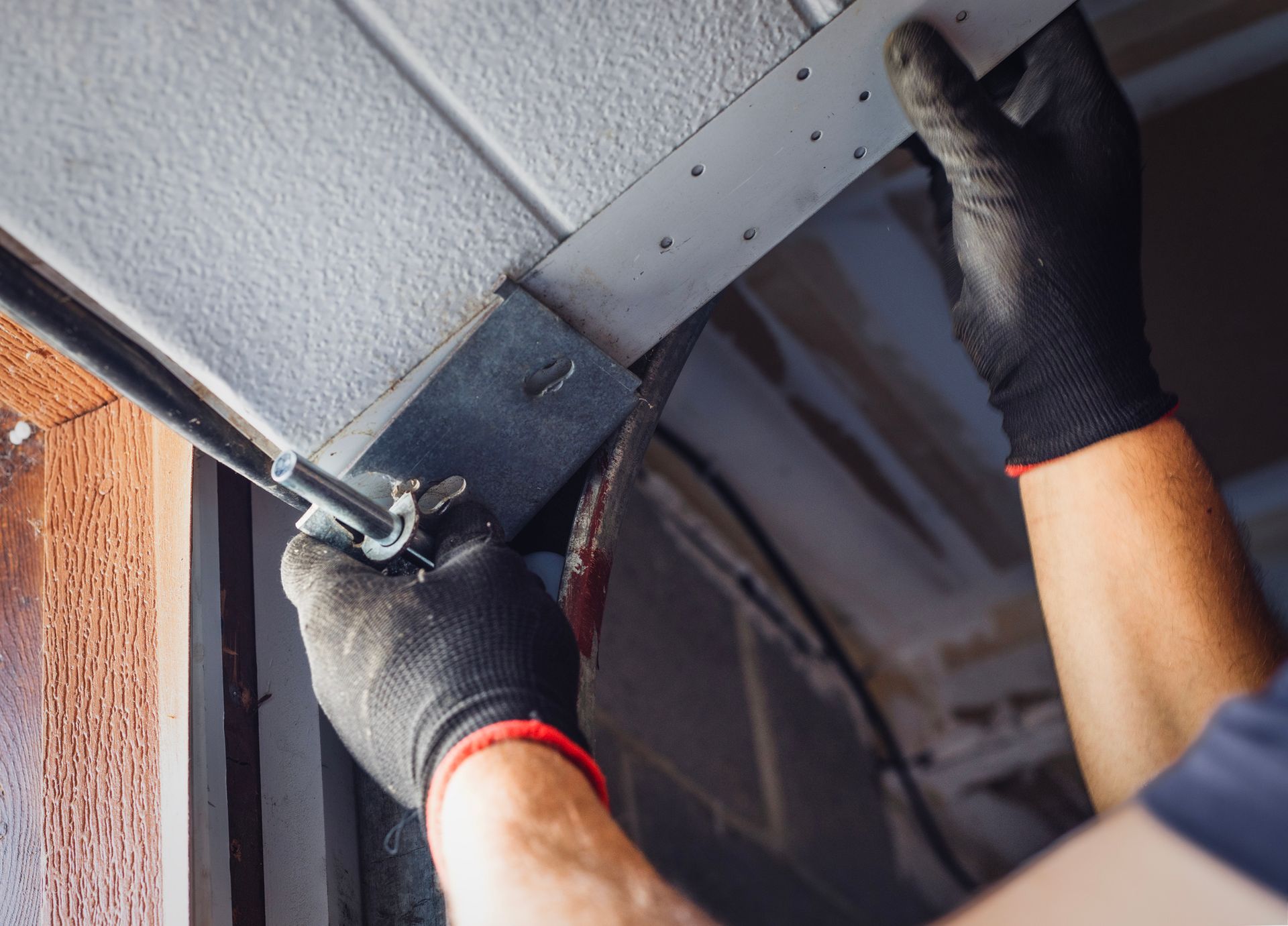
These symptoms may indicate worn rollers, damaged hardware, or other problems. Avoid attempting to adjust garage door springs or cables yourself, as these components operate under significant tension and can cause serious injuries.
Prepare Your Garage Door for Winter With Professional Help
A properly maintained garage door helps protect your garage from the elements while providing reliable access to your home. If you notice damaged seals, persistent drafts, or problems with your door's operation, professional garage door repair in Covington, WA, can help address these issues before winter weather makes them worse.
Sound Door Services can help homeowners identify garage door problems and determine the right repair or replacement solution.
Call Sound Door Services today at
(206) 200-9049 to discuss your garage door concerns and get your garage ready for the colder months.